
This spotlight exhibit focuses on East Austin’s African-American music history, and explores the musical legacies of artists whose contributions help establish Austin as a “Live Music Capital of the World”.
In 2020, the exhibit was significantly updated and expanded and includes rare photographs, biographies, historic posters, recordings, and live music videos.
Display cases feature items from the Victory Grill and The Music Professors, plus instruments and memorabilia from featured artists and East Austin Blues and Jazz communities. Also presented are QR codes that connect to online recordings which enable visitors to experience and enjoy many of these musicians’ unique sounds. (QR code readers can be downloaded free on your smartphone. See posted Instructions at the Museum.)
The multi-genre exhibit explores Blues, Ragtime/ Barrelhouse, Jazz, and Gospel Music. The Exhibit is the result of more than 30 years of research and documentation by The Texas Music Museums volunteers in an effort to preserve the rich heritage of East Austin’s African-American musicians. This important ever-growing, “living” exhibit is permanently on display at the Texas Music Museum since 2012 and is continuously updated. It is a one-of-a-kind exhibit! View it in the back Gallery of the Texas Music Museum.

W.C. Clark.

Dr. Beulah Agnes Curry Jones with students.

Henry L. “Blues Boy” Hubbard.
Dates
Currently on view.
Location
Texas Music Museum.
Price
Admission is free,
donations are welcome.
Musician bios
Gilbert Askey
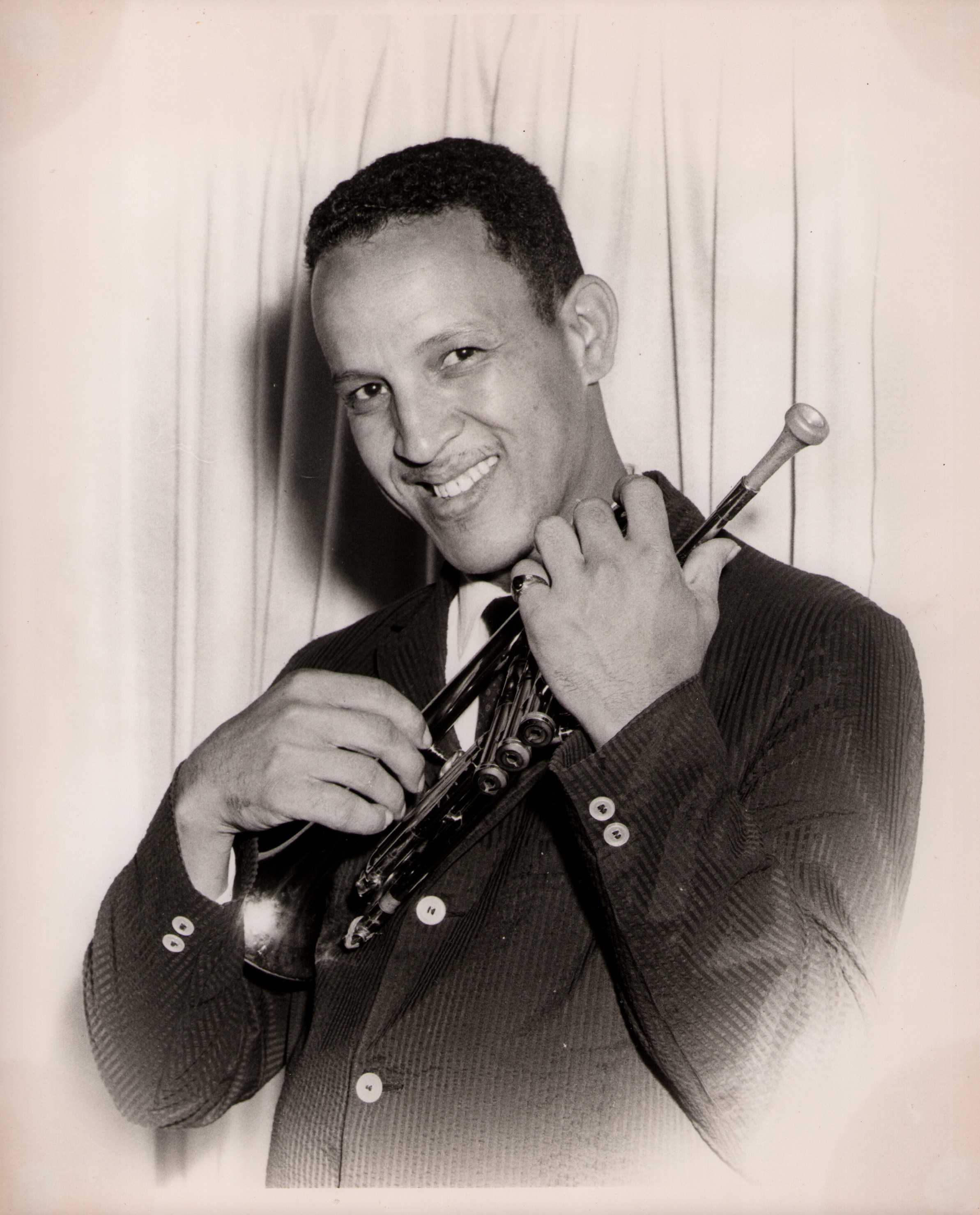
Gilbert Alexander Askey was born in Austin, Texas on March 9, 1925, the son of Ada Simond, Austin author and historian, and Aubrey Alexander Askey. Gil attended Huston-Tillotson College and Anderson High School and was raised in a family of musicians. His grandfather played the accordion, mandolin, and banjo. His father played clarinet and saxophone and his uncle wrote the Samuel-Huston College Song.
Askey played cornet in the Kealing Junior High Band and the Anderson High School Yellowjacket Band under director, B.L. Joyce. After completing his education, he entered the Army Air Force during World War II and spent his tour of duty performing with the Special Services Branch Band in Boston. He studied at the Boston Conservatory Of Music and then moved to New York, performing there with Lucky Millander, Erskine Hawkins, and Buddy Johnson.
During the height of the Motown era, Askey became the arranger and musical director for the Supremes, the Temptations, the Four Tops, and other groups. He also arranged the musical score for “Lady Sings The Blues,” which netted him an Oscar nomination.
He was musical director for numerous television specials for the Supremes and others including the smash hit “Motown 25,” the grand reopening of the Apollo Theatre, and Stevie Wonder’s “A Tribute To Martin Luther King.” He moved to Australia to pursue a new phase of his career in the late 80s.
Gil died in Australia on April 9, 2014.
Gary Clark Jr.

Gary Clark Jr. was born in Austin, Texas on February 15, 1984. He started playing the guitar at age 12 and spent his early teen years playing whatever gigs could be found around Austin. After meeting Austin’s legendary Blues mentor and club owner, Clifford Antone, Clark became a featured guitarist at the Anton’s venue, and one of the brightest young players in Austin’s Blues and Rock scene. Clark was mentored by Clifford Antone as well as legendary guitarist Jimmie Vaughan. When Clark was just 17 years old, Austin’s mayor proclaimed May 3, 2001 to be Gary Clark Jr. Day. In 2005, Clark released the independent album, Tribute, followed in 2008 by a pair of self-produced albums, 110 and Worry No More.
Clark also acts, writes and arranges. In 2007, he wrote the original film score for the film, Full Count. He also starred alongside Danny Glover and Stacy Keach in Honeydripper. In 2010, he was selected by Eric Clapton to perform at the Crossroads Guitar Festival. Afterwards, he received a recording deal with Warner Bros. and released a single called Bright Lights and an album called Blak and Blu. Blak and Blu earned Clark a Grammy in 2014. Clark’s next release was a two-disc, Live, recorded during an 18 month long tour in support of Blak and Blu. He performed with the Rolling Stones, Eric Clapton, Foo Fighters and many more. Clark released his second major-label studio set in 2015 called The Story of Sonny Boy Slim. The album debuted at number eight on the billboard charts. In 2017, he recorded a cover of the Beatle’s Come Together for the Justice League film soundtrack. His fifth studio album, This Land, reflected the political landscape as a Black American living in Texas. The album earned four 2020 Grammy nominations, and won three Grammys, including Best Contemporary Blues Album.
W. C. Clark
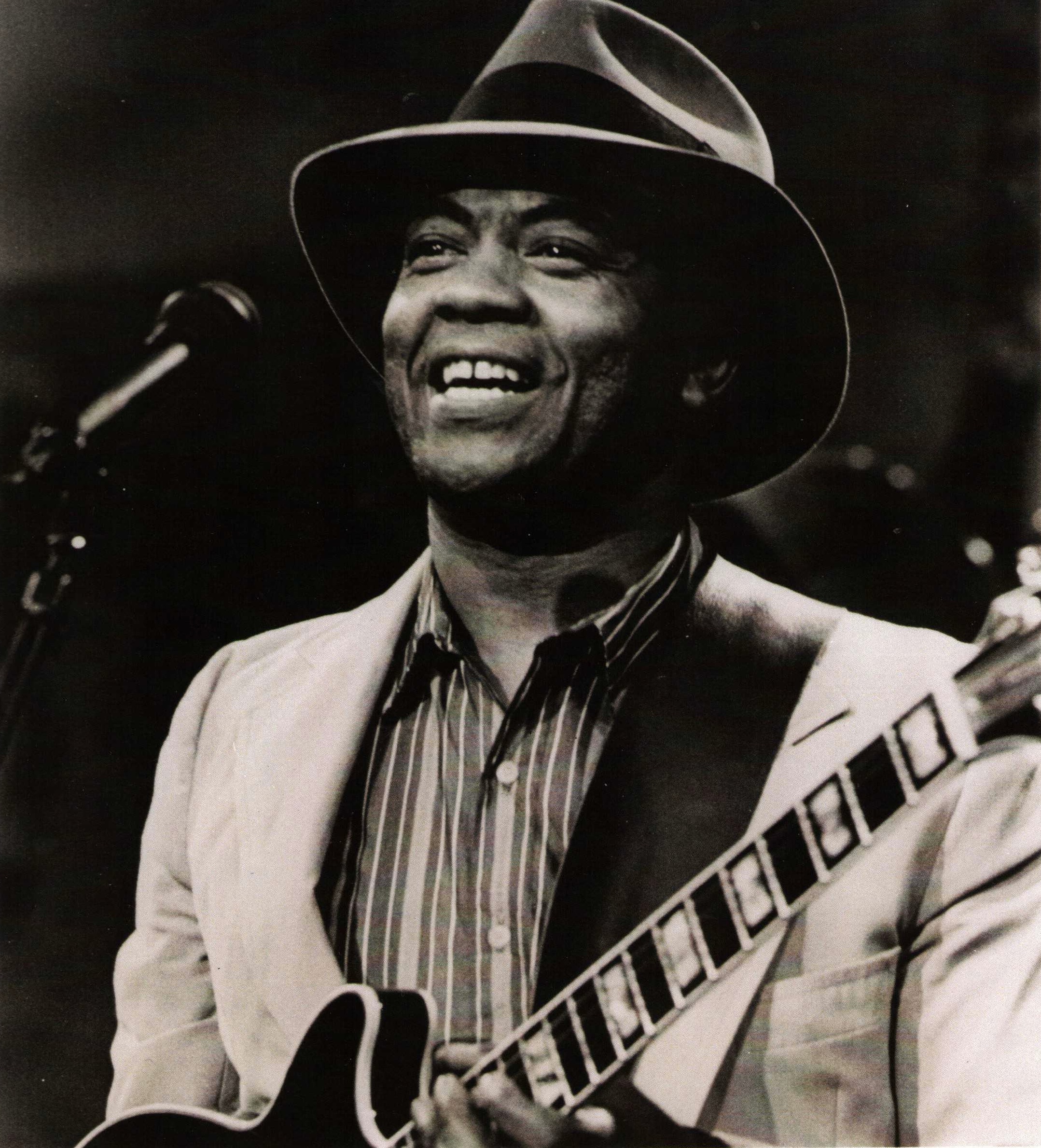
W. C. Clark was born in Austin on November 16th, 1936. He began singing with his family at the St. John’s College Heights Baptist Church. He was raised in a gospel atmosphere and usually played guitar around home or church. Once in a while, he would play country and western somewhere for tips.
He later learned to play bass guitar from his cousin L.P. Pearson. L.P. was an early influence and also his way into the blues. Clark would sit in with his cousin’s band and then eventually when L.P. went on his own, Clark became the base player and also sang for T.D. Bell and the Cadillac’s. He was 16 at the time and considers that as the start of his professional career.
Later in the 1950’s, he joined Henry L. “Blues Boy” Hubbard and the Jets playing at Charlies Playhouse. In the late 1960’s, he joined Angela Strehli to form the band Southern Feeling. Later he played with the Fabulous Thunderbirds and was an original member of the Triple Threat Review with Stevie Ray Vaughan and Lou Ann Barton.
In the late 1970’s he toured with Joe Tex. Clark played backup with Freddie King during a live album recording at the Armadillo and also provided backup for Bobby Bland, Joe Turner, and Brooks Benton. One of Clark’s early confidence boosts came when he opened for James Brown. These days he still plays solo or with his group “W.C. Clark Blues Review” that he formed in the early 1980’s.
Dr. Beulah Agnes Curry Jones
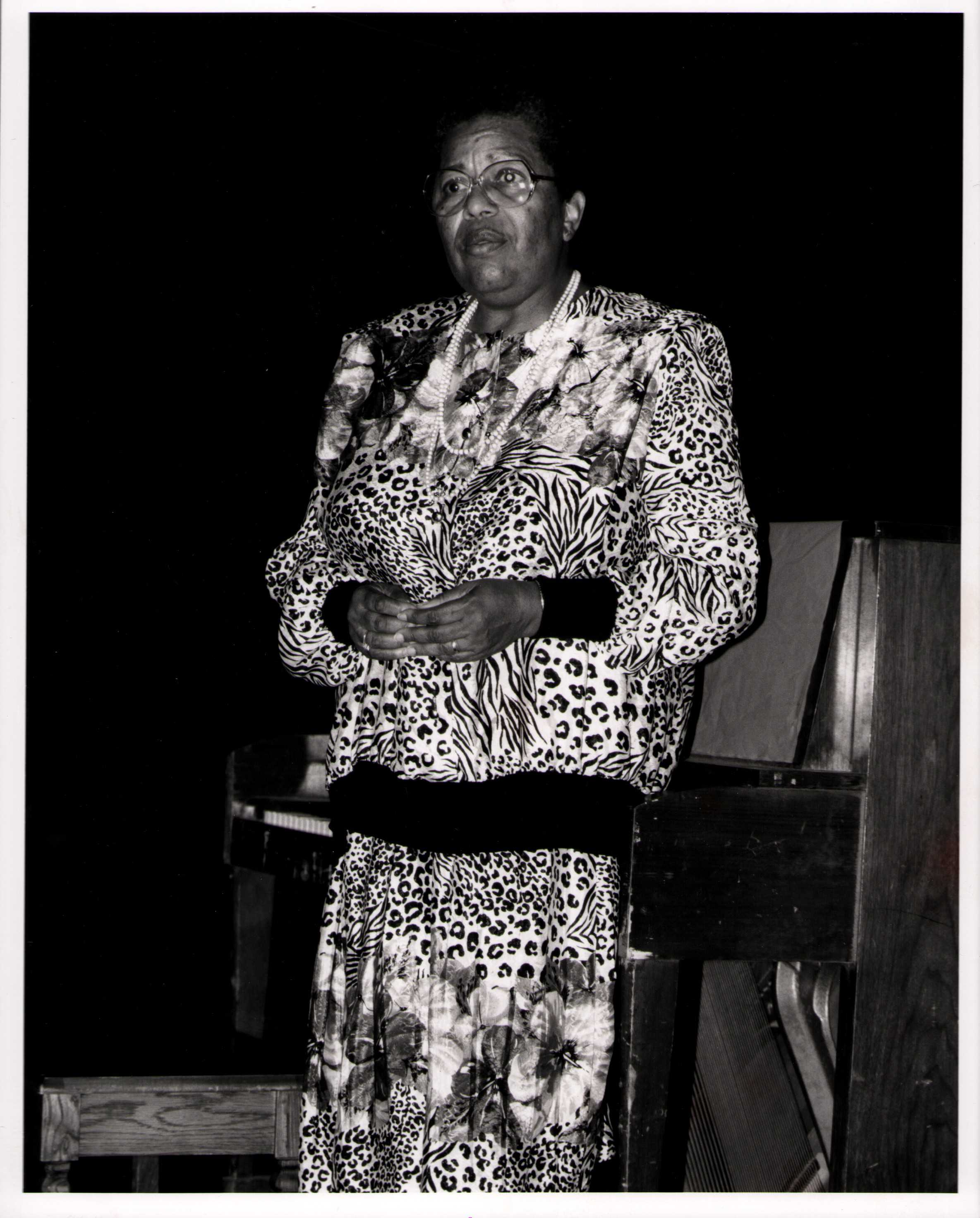
Dr. Jones was born in Austin during the early thirties into a musical family. Her family included her grandmother, Annie Dotson Grant, a well-known local songster, and her mother, Beulah M. Thompson, a standout in the Bright and early Choir at Ebenezer Baptist Church.
Beulah Agnes’ talent was recognized at an early age of 5 when she began piano lessons with Mrs. J. C. Lott. Her true mentor, however, was the legendary Virgie Carrington DeWitty, music director at Ebenezer. De Witty coached her on the piano and helped train her vocal gift.
After high school she attended Prairie View A&M, where she received classical vocal instruction and studied piano, graduating with honors. She later earned her Master’s at Texas Southern and her Doctorate at the University of Texas at Austin. Much of her later study was undertaken while teaching at Huston-Tillotson and between frequent performances and recitals at churches, concert halls, and at various conferences.Her repertoire consisted primarily of spirituals, formal sacred music, and mainstream classical works. A career highpoint came when she was invited to sing for the Prince of Wales on his visit to Austin in the 1980s. After teaching for 31 years, Dr. Jones retired from Huston-Tillotson in 2000 full of honors, including the Faculty Achievement Award and the Entertainer of the Year Award from the Legislative Black Caucus. Dr. Jones has never stopped expanding her horizons.
Damita Jo Deblanc Wood

Damita Jo Deblanc Wood was born in Austin, Texas on August 5, 1930.
She attended both the L. L. Campbell and Blackshear Schools in Austin.
Her parents, Latrelle and Herbert, said that she was born singing. Wood attended Sam Houston College in Austin and the University of California in Santa Barbara.
Her recognition as a vocalist began with her distribution of the only English language recording on the Mexican record label, Taxco. She began a long career as a jazz, pop, soul singer in international supper clubs, television and recording. She has recorded on many labels including Discovery, RCA Victor, Mercury, Epic, Melic, and her own label called Black Masters.
Her records have topped the charts in North America, Sweden, Norway, Australia, Puerto Rico and Japan. On May 9, 1967, she was honored by the Mayor and City Council in Austin, Texas with “Damita Jo Day” and a street named in her honor. Wood eventually relocated to Baltimore, Maryland. She composed and recorded a song, The Color of Your Skin Makes No Difference, which has been used as a part of a program in the public school system in Baltimore. She passed away on December 25, 1998.
Pamela Hart

Pamela Hart moved to the Austin jazz scene in 1982 and quickly became a popular and beloved singer. Hart began by singing part-time while pursuing her MBA at Southwest Texas University. She concentrated on a classic repertory, in a style reminiscent of her heroes Billie Holiday, Ella Fitzgerald and Nancy Wilson.
In 1992 and 1994, she presented her solo show Lady Day, a Tribute to Billie Holiday and received excellent reviews. Since then, she has regularly appeared in Austin’s various clubs, dining and festival venues In 1994, Pamela and her husband, Kevin Hart, founded the Women in Jazz Association, Inc. with the mission of keeping jazz alive. She also produces the annual Women in Jazz concert series, which has become a staple for women jazz singers in Texas.
Her 1998 debut CD, May I Come In?, took her a step further in her development, displaying her songwriting talent and the versatility of her styling. The album won Hart the 1998 Austin Jazz Players and Critics Poll Award for Best R&B/Soul Artist of the Year. Now Hart is highly regarded as Austin’s finest jazz vocalist. She is noted by Austin Women’s Magazine as “Austin’s First Lady of Jazz.”
Hart has received many awards for her community work as a jazz supporter. With her performances, the Women in Jazz Association Inc., vocal performance workshops and vocal coaching, Pamela Hart is making a difference in the Austin jazz scene.
Henry L. “Blues Boy” Hubbard
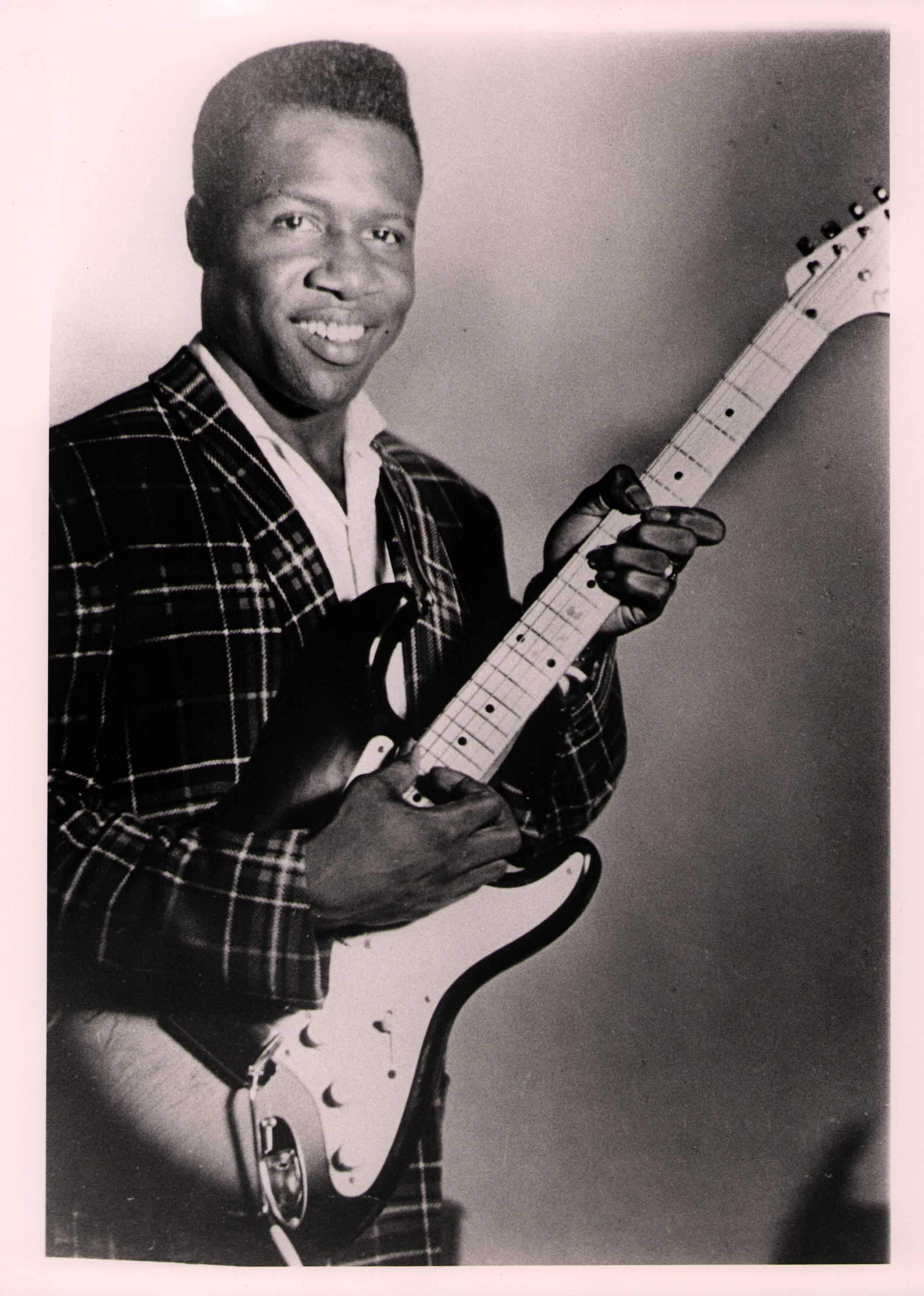
One of the mainstays of the Austin blues scene for many decades, Henry L. “Blues Boy” Hubbard was born in 1934 in LaGrange. His early musical influences included his mother, who was a church organist, and his uncle and great uncle who played blues guitar.
Hubbard’s first instrument was the piano, and at the age of 10, he began taking lessons at the request of his mother. He quickly moved on to the organ, and by the age of 12, had begun playing trumpet in the school band. By the age of 14, he finally switched to guitar, inspired by Pee Wee Crayton, Lowell Fulson, T-Bone Walker and Gatemouth Brown. He began to play in his own bands before joining the Air Force at age 21.
Stationed at Bergstrom Air Force Base in Austin, he began playing at the Austin blues-mecca called the Victory Grill. He continued to work as an Air Force mechanic even as his band, The Jets, became one of the biggest draws on the East Side. He gained the admiration of new generations of fans, many of whom have been his students.
His comprehensive hands-on knowledge of blues, jazz, and R&B, combined with his formal training made him a sought after music teacher. He continued to effortlessly demonstrate his master of a broad palette of blues, jazz and pop music. Hubbard passed away in November, 2019.
James Polk
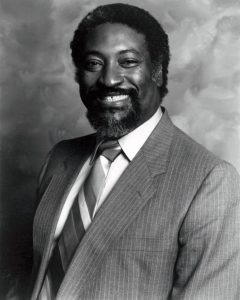
James was born on September 10, 1940 in Yoakum but spent his early life in Corpus Christi. He came from a musical family with his mother, Mattie M. Polk, singing as a professional gospel singer throughout Texas. He moved to Austin in early 1959 to attend Huston-Tillotson College where he received his B.A. Degree in Music/Education. He pursued graduate study at Texas A & I University in Kingsville and at the University of Texas at Austin.
Polk plays keyboards, bass, drums, saxophone and other instruments. He has taught music education, worked as a club musician and performed throughout Texas with his group, James Polk and Company. From 1978 to 1985, he worked with Ray Charles Enterprises playing concerts, writing and arranging music for the Ray Charles Orchestra.
In 1983, he performed and arranged music for the Sara Jordan Powell gospel album and in 1985, the Ray Charles Christmas album, among others. He received a Grammy Award nomination in 1979 for the best arrangement of a song, Some Enchanted Evening, on the Ray Charles album, Ain’t It So. He was nominated a second time in 1985 for the arrangement of I Wish You Were Here Tonight.
Polk had made a number of television and movie appearances, produced an album titled You Know The Feeling, and continues an active performance and teaching schedule.
Polk died on June 21, 2024 in Austin, Texas.
Matthew Robinson

Matthew Robinson was born February 27, 1948 in Austin, Texas. His father played guitar, and piano, and both of his parents sang. He began singing in church when he was three years old.
Matthew attended Keeling Junior High, and while at Johnston High School in the 1960s, he started his first band called the Mustangs, for which he was lead singer. The group became very popular, and they traveled all over the United States. They recorded two singles in San Antonio on Stang’s Records, “Tender Loving Care” and “How Do You Quit.”
When he was in his early 20s, he started studying guitar with James Polk, Blues Boy Hubbard, W.C. Clark, and Martin Banks. In 1976, he joined James Polk and the Brothers. He and Blues Boy Hubbard billed themselves as “The Dynamic Duo” and toured together in Europe in the early 1990s.
In 1996, he formed his own band, Matthew Robinson and the Texas Blues Band, which opened up an opportunity for him to tour all over Europe. He also toured Brazil between 1998-1999. He has continued to perform and has since recorded an album titled Matthew Robinson and the Texas Blues Band.
Make a donation today
Support artists and music